In the 21st century, feeding a growing global population requires more than traditional farming techniques. Science and technology have become central to modern food production, enabling farmers to produce more, reduce waste, and ensure food security for communities around the world, including regions like Bahati Constituency in Nakuru.
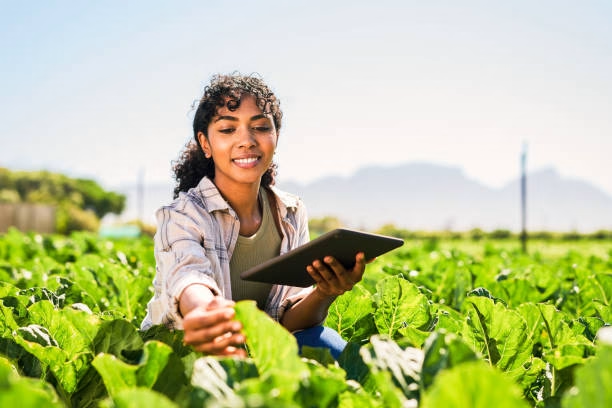
One of the most significant contributions of technology is precision agriculture. Tools such as drones, soil sensors, and satellite imaging allow farmers to monitor crop health, soil moisture, and nutrient levels in real-time. This means interventions like fertilization, irrigation, or pest control can be applied precisely where needed, increasing yields while reducing costs and environmental impact.
Biotechnology is another game-changer in food production. Through improved seed varieties that resist drought, pests, and diseases, farmers can grow more reliable crops even under challenging conditions. These innovations are especially important for smallholder farmers who rely on consistent harvests to sustain their families and local markets.
Automation and mechanization are also transforming farming. Modern machinery, from automated planters to harvesters, reduces the physical labor required and speeds up production. Combined with software that tracks production cycles, farmers can plan better and reduce post-harvest losses. In livestock farming, technology such as automated feeding systems, climate-controlled housing, and health monitoring devices ensures animals grow healthier and more efficiently.
Information technology plays a crucial role in connecting farmers to markets, knowledge, and resources. Mobile apps, online platforms, and e-agriculture systems allow farmers to access weather forecasts, market prices, and expert advice instantly. This empowers them to make informed decisions, reduce risk, and improve income.
Finally, sustainable technology innovations, such as vertical farming, hydroponics, and aquaponics, are reshaping how communities produce food locally, especially in urban areas. These methods use less land and water, reduce transportation costs, and offer year-round production, contributing to food security and environmental conservation.
Science and technology are no longer optional in modern agriculture—they are essential. They provide the tools, knowledge, and efficiency needed to meet the challenges of feeding a growing population while maintaining sustainability. By embracing these innovations, communities like Bahati can strengthen local food systems, empower farmers, and secure a prosperous future for generations to come.